So You're Thinking About Going Tech?

So You're Thinking About Going Tech
I get asked this a lot: "how do I actually start?"
Usually from divers who've got a hundred-plus dives, feel completely at home underwater, and are starting to wonder what's past the no-decompression limit. Maybe a wreck they can't fully explore. Maybe a cave they keep seeing photos of. Maybe just curiosity about what all that extra gear is for.
If that's you, good. That curiosity is genuinely a good enough reason on its own.
I'm a cave diver myself, tech trained, and I still remember standing exactly where you're standing — looking at someone in doubles wondering if I'd ever get there. So this is the article I wish someone had handed me back then.
Go find out what other divers are actually doing
You don't need to walk in already knowing GUE from TDI, or doubles from sidemount. What's actually useful is going and looking.
Watch what different divers around you are doing. See who's running the kind of dives that make you think "I want to do that." A deep wreck. A cave system. Someone quietly running a rebreather an hour past where your air would've run out.
Then just — talk to them. Most tech divers are happy to explain what they're doing and why, if you ask.
You'll pick up more from a few honest conversations with people actually doing the diving than from any amount of reading about certification ladders in the abstract. It also tends to narrow things down for you naturally — you'll notice yourself drawn to certain setups, certain philosophies, certain people, without having to force a decision about it.
The One Real Mindset Shift
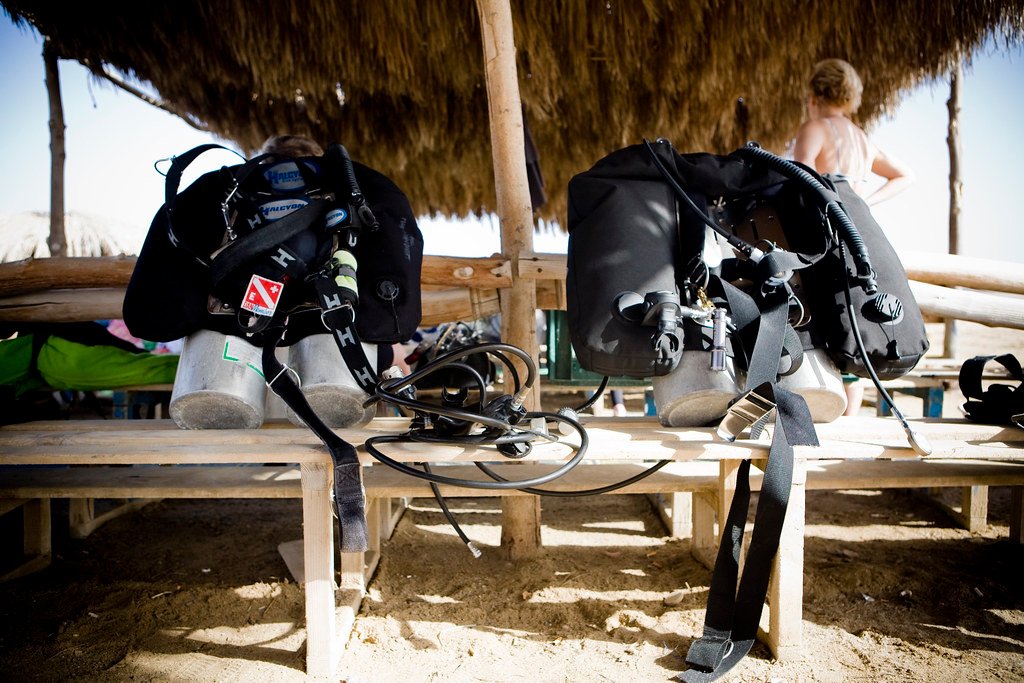
Here's the part that actually matters, and it's simpler than it sounds.
In recreational diving, the safety net is built in
No-decompression limits. A direct line to the surface, basically always. If something feels off, you go up. That's it, that's the whole plan, and it works great.
It's a good system. It's also why recreational diving doesn't ask that much of you psychologically — the limits are doing a lot of the thinking for you.
In tech diving, you start doing more of that thinking yourself
Once you're planning a decompression stop, or diving somewhere with a ceiling overhead, "just go up" isn't always the plan anymore.
That sounds intense written down, but in practice it just means: you get more involved in your own safety. You learn to plan gas a bit more carefully. You learn what to do if something goes wrong, before it goes wrong, so you're not figuring it out in the moment.
Honestly, most divers find this part rewarding, not scary. Knowing exactly what you'd do in a given situation is a good feeling. It's confidence, not dread.
That's why tech training repeats things so much
Valve drills. Gas sharing. Basic emergency responses.
You'll do them over and over until they're boring.
That's not the instructor being extra — it's just how anything becomes second nature. Same reason you don't think about your feet when you walk. Repetition now means you don't have to think hard later, right when it'd matter most.
Getting Started, Practically
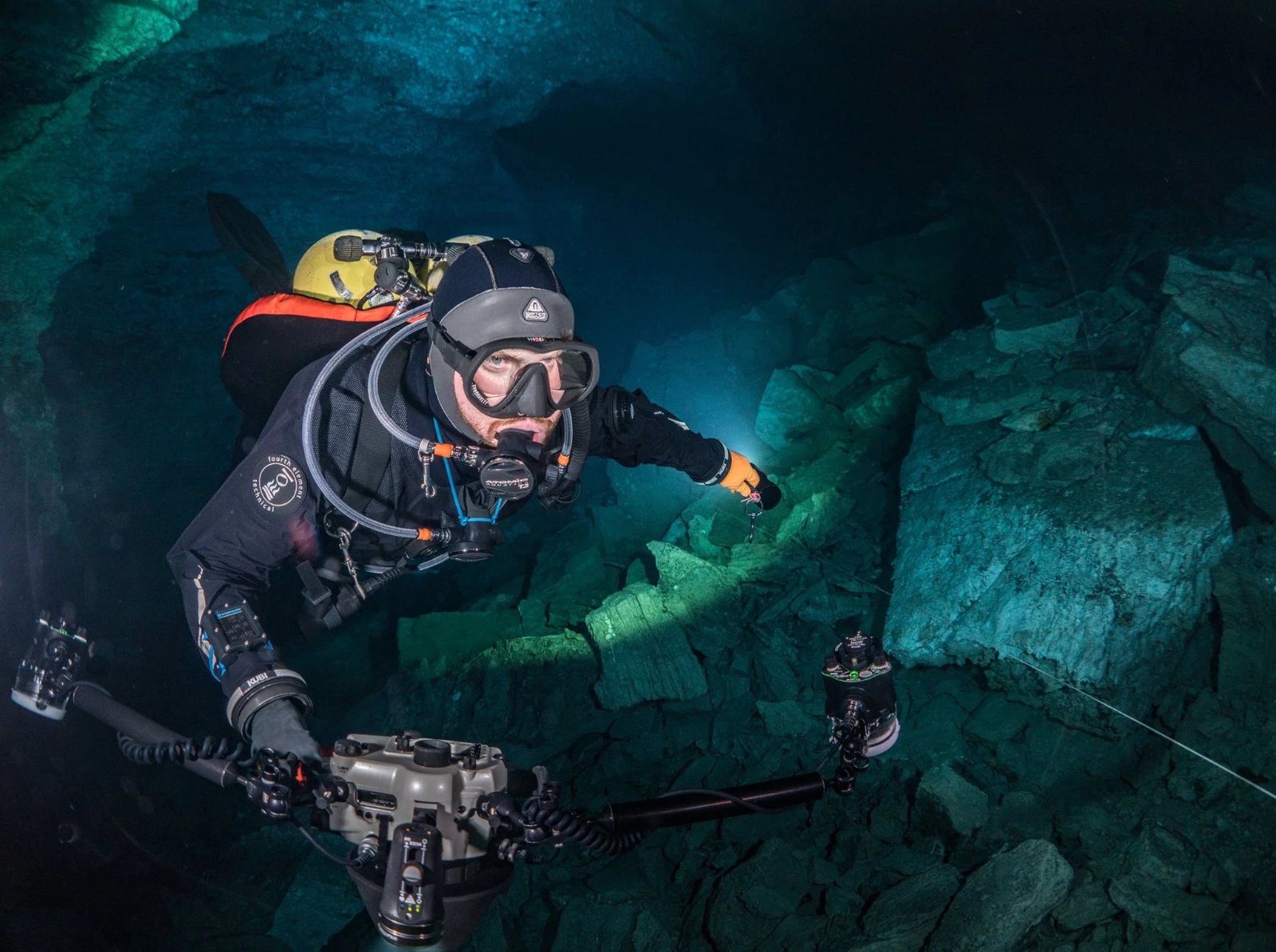
Nail your fundamentals first
Before any of the tech-specific stuff, it's worth being genuinely comfortable in the water — buoyancy, trim, not touching the bottom every ten seconds. A lot of tech courses spend the first chunk of time on exactly this, because it's the actual foundation everything else sits on.
If your buoyancy's already solid, you're ahead before you've even started.
Try a taste of it before committing
Most instructors offer some kind of intro or "discover tech" session — a low-stakes way to try doubles, feel the different trim, get a sense of what the training actually feels like.
Do this before you buy anything or commit to a full course. It tells you a lot, fast.
The gear questions can wait
You'll eventually choose between backmount doubles (the common starting point) and sidemount (more flexible, a bit more to manage). You might also come across DIR — GUE, UTD, ISE — which trains everyone to rig identically as a team, versus the more common general path (TDI and others) where you configure gear more to your own preference.
Neither is right or wrong, and you really don't need to pick a side on day one. A good intro course or a conversation with a local instructor will make this a lot clearer than reading about it in the abstract.
Find an instructor who actually fits how you learn
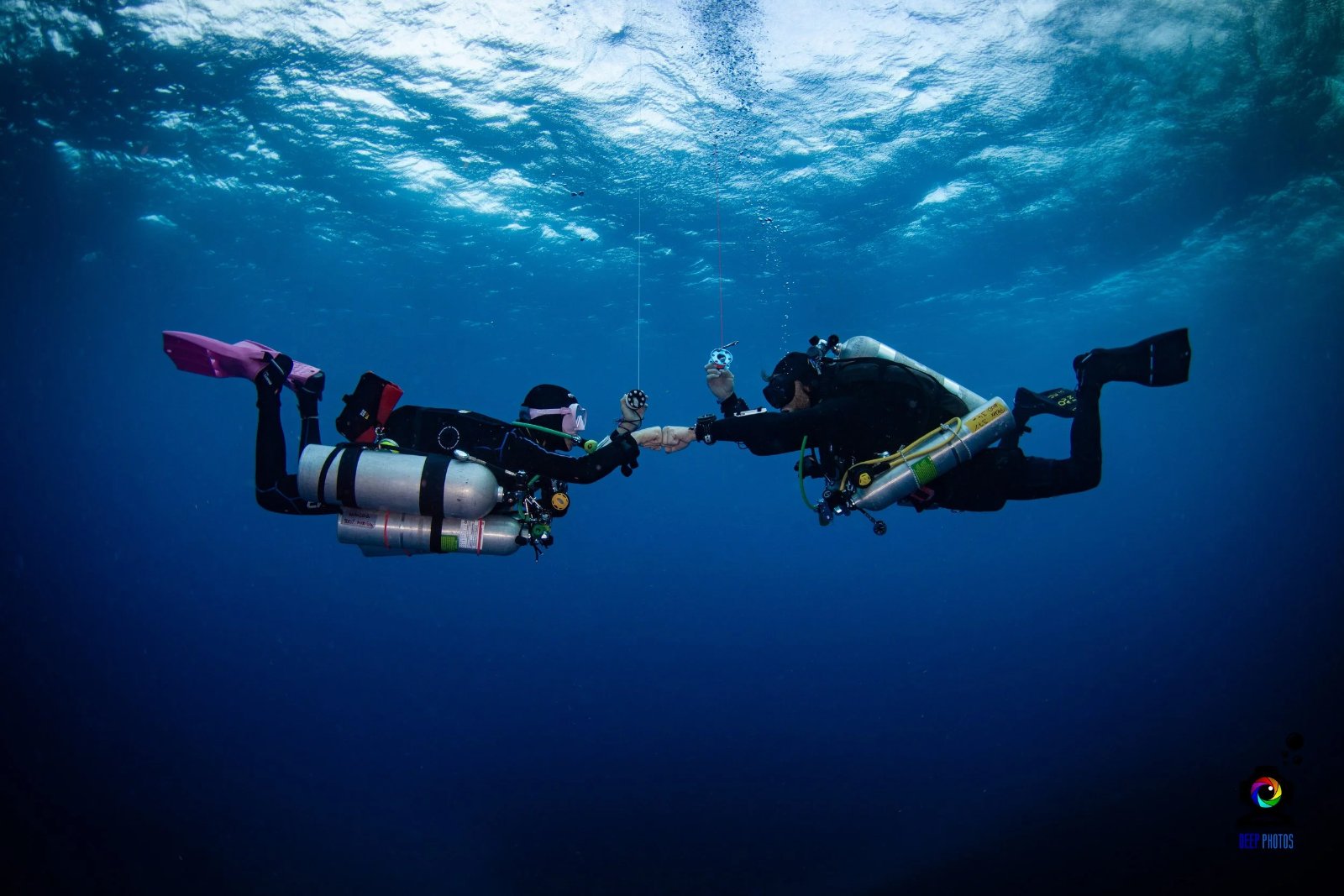
I can't stress this one enough. There's more to check here than most beginners realize, so let me break it down.
Communication style
Here's my own example. One of my cave instructors read the way I ask questions — a lot of them, mid-lesson, wanting the "why" before I'd just run a drill — as me pushing back on his authority. It didn't go well. My first tech instructor got the exact same habit from me and welcomed it. He'd stop, actually walk through his reasoning, and I learned faster because of it.
Same student, same personality — completely different experience, just because the instructor was wired differently.
That's the real point: competence isn't the only thing you're evaluating. How someone communicates, how they take questions, whether they explain their reasoning or just expect you to follow instructions — all of that shapes whether training actually works for you.
Teaching style: Miyagi-Do or Cobra Kai?
Some instructors build you up. Patient, encouraging, focused on getting your confidence solid before they turn up the pressure — Miyagi-Do, if you want the analogy.
Others push your buttons on purpose. Stress you out in controlled ways, get in your head a little, because that's closer to what a real emergency will feel like — more Cobra Kai.
Neither is wrong. I've seen divers thrive under both, and I've seen divers wash out under both, because it wasn't the right style for them. What matters is knowing which one actually gets the best out of you, not which one sounds more impressive.
If you know you shut down under pressure, a nurturing instructor will get you further, faster. If you know you need to be pushed to take things seriously, the opposite might be true.
Methodology — the part beginners can't fully judge yet
This is the hardest one to evaluate early on, and I'll be honest about that instead of pretending otherwise.
Experienced tech divers can often "smell test" an instructor within a few minutes of conversation — they know what questions to ask, what a good answer sounds like, and what a red flag sounds like. As a beginner, you don't have that reference point yet, and that's completely normal.
One thing you can look at, even early on, is gear configuration — what setup they teach and why. Ask them to walk you through it. A good instructor can explain the reasoning behind every piece of their configuration, not just "this is how we do it here." If the answer is vague, that's worth noting.
Beyond that, honestly, the earlier advice still applies: go talk to divers who've actually trained with them, and to other instructors in the area. Methodology is a lot easier to judge secondhand, through people who already know what to look for, than to judge cold on your own.
Talk to a few instructors before you commit. Ask how they'd handle a student who asks a lot of "why" questions. Ask other divers what training with them was actually like. A great, well-known instructor can still be the wrong fit for you personally, and that's fine — it just means keep looking until something clicks.
You've Got Time
None of this needs to happen fast, and honestly, it shouldn't.
Spending more time actually diving beats stacking courses back to back, every time. Courses give you the skills; time in the water is what turns them into instinct. Divers who rush from cert to cert without logging real dives in between tend to feel shaky exactly when it matters. Divers who pace themselves — a course, then months of just diving and consolidating it, then the next course — tend to be the ones still tech diving five years later.
Curiosity got you this far. That's genuinely the hard part. The rest is just showing up, diving a lot, and letting the training catch up to the water time rather than the other way around.
If you want a place to start looking, TecDiveTools' directory lets you filter instructors and centres by agency, course, and rebreather support — a decent way to find someone local who teaches the way you're looking to learn.

Nick is a cave and technical diver — he built to help fellow tec divers find the right instructors, centres, and tools.

